
Enjoy the Sun: Yes, But Not Just Any Way
Enjoy the Sun: The Beautiful Days Are Just Around the Corner!
The sun's rays can provide an immediate sense of well-being.
However, exposure to the sun also carries risks, including sunburn, skin damage,
premature skin aging, and an increased risk of developing skin cancer.
Here, you will find our tips for enjoying the sunshine while protecting yourself from its
harmful effects.
5 Tips for Protecting Yourself From UV Rays
The sun emits three types of radiation: visible light, infrared radiation, and ultraviolet
(UV) radiation. UV radiation is the type that can be harmful to your skin and eyes. In
as little as 15 minutes of exposure, UV rays can damage your skin. Most sunburns
occur during outdoor activities rather than intentional sunbathing. Therefore, stay
vigilant and protect yourself!
- Check the UV Index. The UV Index measures the intensity of UV radiation and ranges from 0 to 11+. When the UV Index reaches 3 or higher, UV exposure can cause skin and eye damage, and sun protection is recommended. In the United States, the UV Index is reported daily by the National Weather Service (NOAA). You can also download the free SunSmart Global UV app, available on the App Store and Google Play.
- Stay in the Shade During Peak Hours. This generally means limiting direct sun exposure around midday, particularly between noon and 3 PM. Be aware that even in the shade, reflected radiation from surfaces such as water, sand, and snow can increase your exposure.
- Wear a Hat and Protective Clothing. Choose a wide-brimmed hat and long- sleeved clothing that covers your arms and legs. Tightly woven fabrics generally provide better protection.
- Apply Sunscreen Generously and Regularly. Use a broad-spectrum sunscreen with an SPF of at least 30 and reapply it every two hours, or more often after swimming, sweating, or drying off. Additional tips can be found below.
- Protect Your Eyes with [Quality Sunglasses]. Choose sunglasses that provide 100% UVA and UVB protection or are labeled UV400. In addition to protecting your skin, it is essential to protect your eyes from UV radiation, which can cause eye damage.
Monitor Suspicious Skin Spots
Take advantage of times when you are more exposed to the sun to examine your skin,
including your moles and other spots.
Pay close attention to any changes in their appearance. While most skin spots are
harmless, some may indicate melanoma, a type of skin cancer.
A simple guideline to help you know what to look for when checking your moles or
other skin spots is the ABCDE rule.
Have You Noticed Any Suspicious Spots or Blemishes?
If you notice a new or changing mole, spot, or blemish, or if you have any other
concerns about your skin, please contact your primary care physician or
dermatologist for an evaluation..

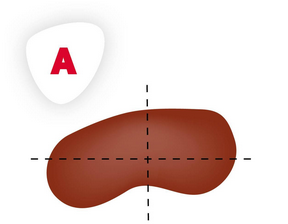
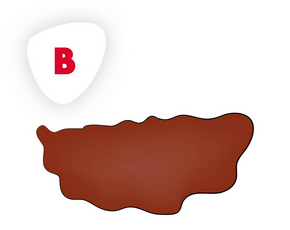
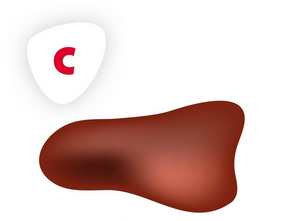
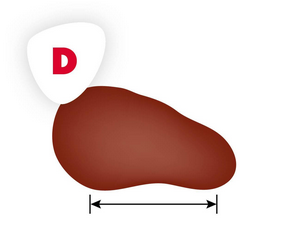
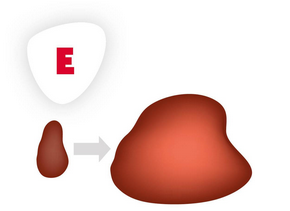
Asymmetry:
asymmetrical shape. One half no longer reflects the other half.
Edge:
Irregular edge in one or more locations.
Color:
A mix of different colors (light brown and dark brown, red, bluish, black, white).
Diameter:
Diameter greater than half a centimeter.
Evolution:
Change in appearance, size, thickness,
or color over time.

Properly Apply Your Sunscreen
Use sunscreen with an SPF of at least 30 that provides broad-spectrum protection
against UVA and UVB rays and is water-resistant. The SPF and the type of protection
provided are indicated on the product packaging.
Pay attention to the expiration date of your sunscreen. Follow the expiration date
indicated on the packaging. If no expiration date is provided, follow the
manufacturer's recommendations. Sunscreen can also lose effectiveness when
exposed to excessive heat or direct sunlight. To preserve its effectiveness, keep the
container closed, protect it from direct sunlight, and store it according to the
manufacturer's instructions.
How to Properly Apply Sunscreen:
- Make it a habit to apply sunscreen whenever you plan to spend time outdoors, not just during vacations, particularly when the UV Index is 3 or higher.
- Apply sunscreen at least 15 minutes before going outside, unless the product label recommends otherwise.
- Reapply at least every two hours.
- Be thorough to ensure that no areas are missed. Commonly overlooked areas include the hairline and top of the forehead, ears, neck, shoulders, lips, hands, feet, and other exposed areas.
- Use water-resistant sunscreen when swimming or sweating. Water does not block UV radiation, and sunscreen can be removed by water, sweat, or towel drying. Reapply after swimming, sweating, or drying off.
- Apply a sufficient amount of sunscreen. For an adult's entire body, approximately 35 mL (about 7 teaspoons) may be needed to provide adequate coverage.

Subscribe to our newsletter to stay updated on the latest news from our mutual organization and its partners.